
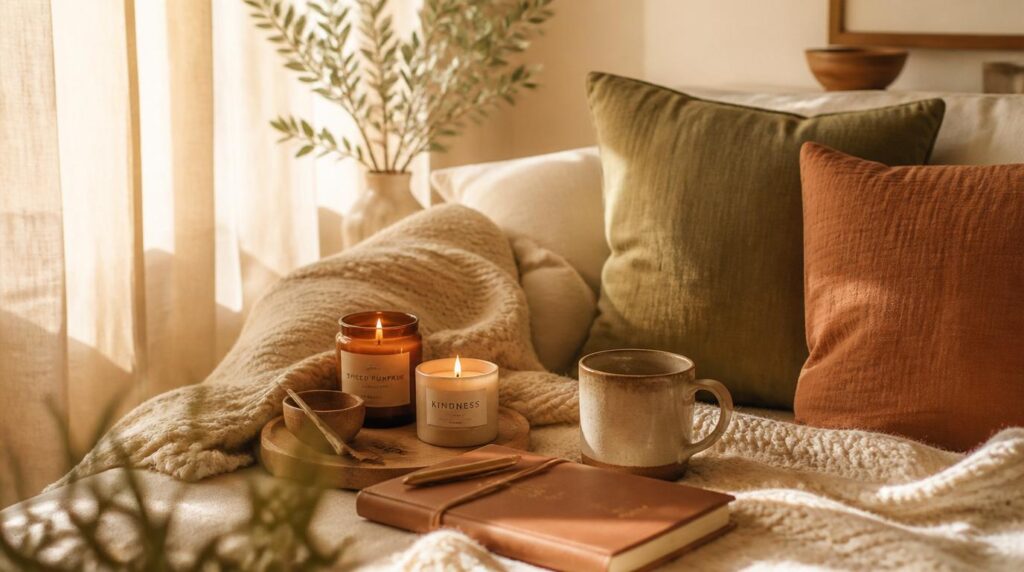
Soft living has become one of those phrases that’s everywhere online lately.
You see it on Pinterest boards filled with neutral bedding.
On TikTok videos showing slow mornings and expensive skincare.
On Instagram reels with candles, matcha, journals, and perfectly styled apartments.
And while those things can be part of soft living…
That’s not what soft living truly means.
Because soft living is not just an aesthetic.
It’s not perfection.
And it’s definitely not about creating a life that only looks peaceful online.
At its core, soft living is about creating a life that actually feels gentler to live in.

Soft Living Is About Emotional Safety
A lot of people think soft living starts with decor or routines.
But honestly, it starts much deeper than that.
Soft living is about creating environments, habits, and rhythms that make your nervous system feel calmer instead of constantly overwhelmed.
It’s choosing:
- peace over constant pressure
- intentionality over chaos
- rest over burnout
- emotional comfort over constant survival mode
Sometimes softness looks like:
- slowing down your mornings
- protecting your energy
- resting without guilt
- saying no more often
- creating calm spaces at home
Not because life is perfect — but because you’re learning to stop making life harder than it already is.
Soft Living Is Not Laziness
One of the biggest misunderstandings about soft living is the idea that softness means avoiding responsibility.
It doesn’t.
Soft living is not about “doing nothing.”
You can still:
- work hard
- build a business
- pursue goals
- heal
- grow
- create income
while choosing gentler systems that don’t constantly exhaust you emotionally.
That’s why soft living and soft income connect so naturally.
Both are rooted in sustainability rather than constant burnout.
You may also enjoy:
👉 How to Create a Soft Income Routine That Doesn’t Feel Overwhelming

Soft Living Is Often Built Through Small Rituals
Softness is usually created quietly.
Not through dramatic life changes.
But through small repeated moments that help life feel calmer emotionally.
Things like:
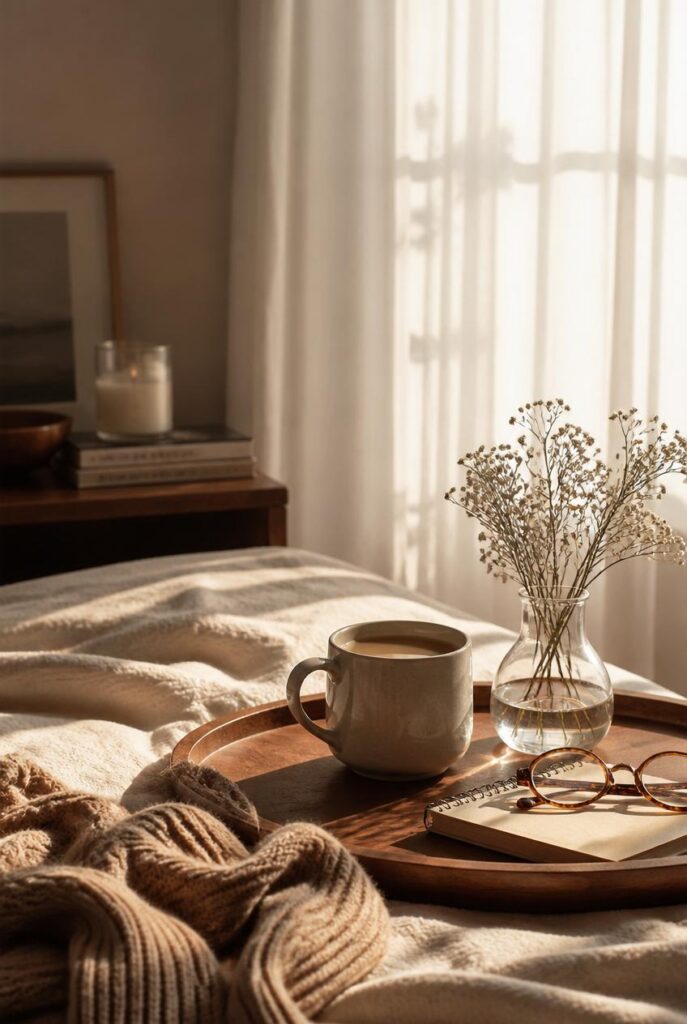
- lighting a candle at night
- making tea slowly
- cleaning your room gently
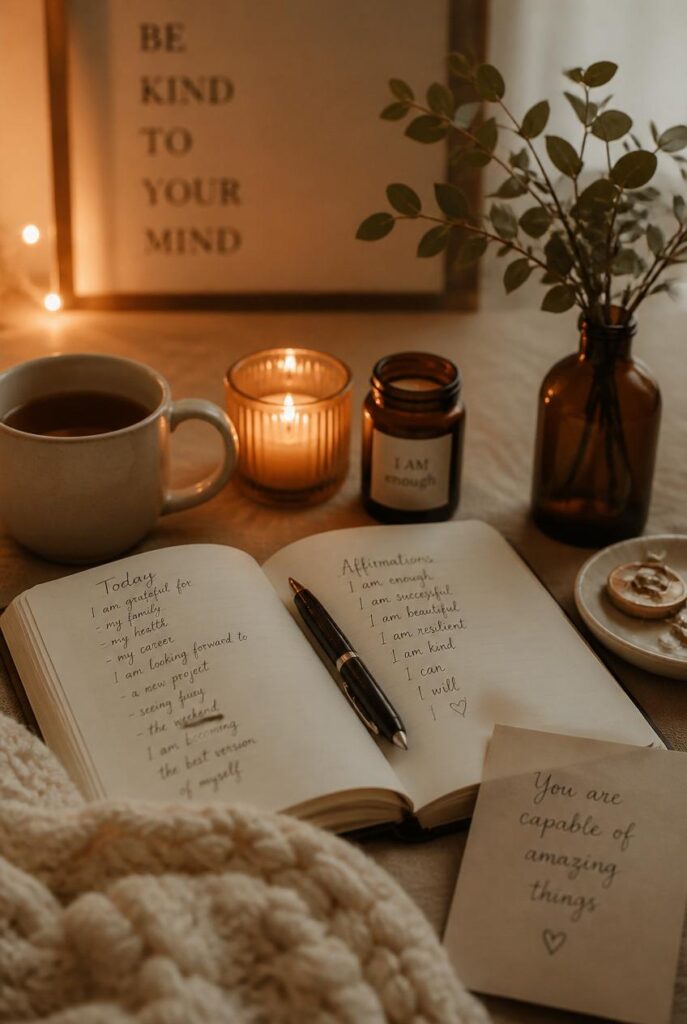
- journaling your thoughts
- opening the curtains in the morning
- playing calming music while cooking
These moments may seem small, but they shape the emotional atmosphere of your life over time.
And honestly, atmosphere affects us more than we realize.
Soft Living Is Letting Yourself Slow Down
Many people are so used to surviving that slowing down feels uncomfortable at first.
The nervous system becomes addicted to urgency.
Constant productivity.
Constant stimulation.
Constant rushing.
Soft living interrupts that cycle.
It reminds you that:
- not everything needs urgency
- rest is productive too
- your worth is not based on exhaustion
- peace matters
Sometimes the softest thing you can do is stop forcing yourself to move through life at survival speed.
Soft Living Includes Your Home Environment
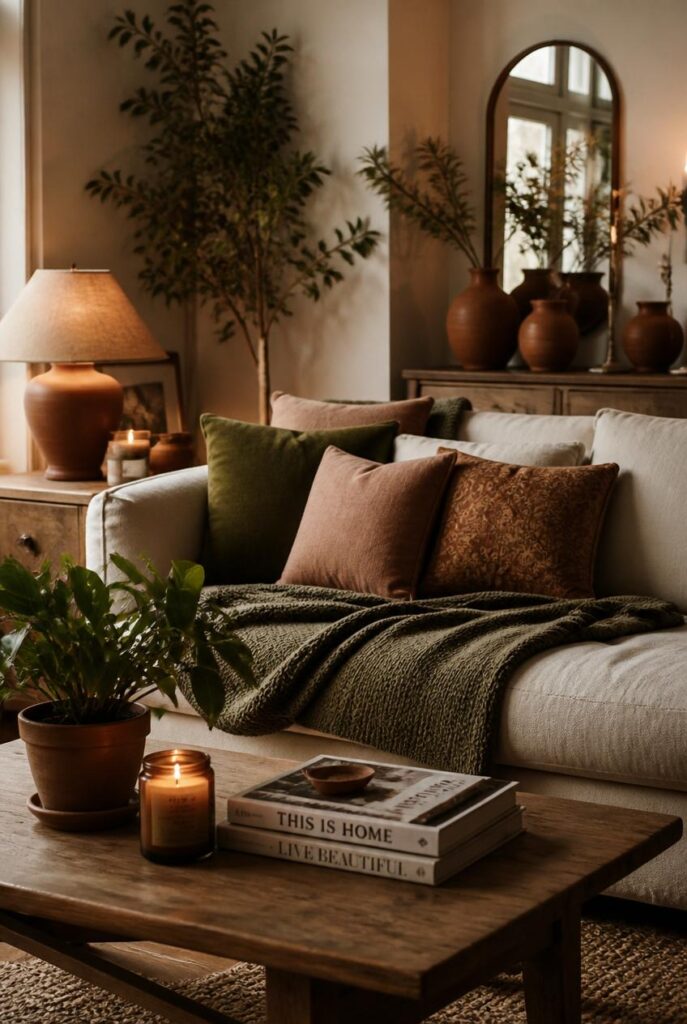
Your environment affects your emotional state more than most people realize.
A soft home does not need to be:
- expensive
- huge
- perfectly aesthetic
It simply needs to feel emotionally supportive.
That could mean:
- warm lighting
- cozy textures
- calming scents
- peaceful corners
- clean surfaces
- comforting routines
Soft homes are less about perfection and more about how a space makes you feel when you walk into it.
You may also enjoy:
👉 How to Create a Soft, Cozy Home on a Budget
Soft Living Is Also About How You Speak to Yourself
A soft life cannot fully exist alongside constant self-criticism.
The way you speak to yourself matters.
Soft living includes:
- gentler self-talk
- emotional compassion
- realistic expectations
- allowing yourself to rest
- letting yourself be human
Because sometimes the harshest environment isn’t external.
It’s internal.

Soft Living Is Not About Escaping Reality
Soft living doesn’t mean pretending life is perfect.
Everyone experiences:
- stress
- grief
- uncertainty
- emotional heaviness
- difficult seasons
Soft living simply means creating small forms of comfort and stability within those realities instead of abandoning yourself emotionally through them.
It’s choosing to support yourself gently while life unfolds.

Soft Living Looks Different for Everyone
For some people, soft living looks like:
- slow mornings
- cozy homes
- journaling
- candles
- skincare rituals
For others, it looks like:
- better boundaries
- emotional healing
- leaving survival mode
- creating financial stability
- learning to rest again
Soft living is deeply personal.
There is no single aesthetic formula for it.
Beyond the Pinterest Version of Softness
The internet often reduces soft living to visuals alone.
Neutral colors.
Pretty kitchens.
Expensive routines.
But real softness is much deeper than appearance.
Real softness is:
- emotional safety
- nervous system peace
- intentional living
- sustainable routines
- gentleness with yourself
- creating a life you don’t constantly need to escape from
The aesthetic is only the surface.
The feeling underneath it is what truly matters.
Final Thoughts
Soft living is not about becoming a different person.
It’s about creating a gentler relationship with the life you already have.
Through:
- slower moments
- intentional habits
- comforting spaces
- emotional softness
- calmer routines
you slowly begin building a life that feels less overwhelming to exist inside.
And honestly?
In a world that constantly pushes people toward exhaustion… choosing softness can become its own kind of quiet rebellion.
4 Responses